
Why Center Sinks Can Destroy Storage Space in a 42 Bathroom Vanity Frame
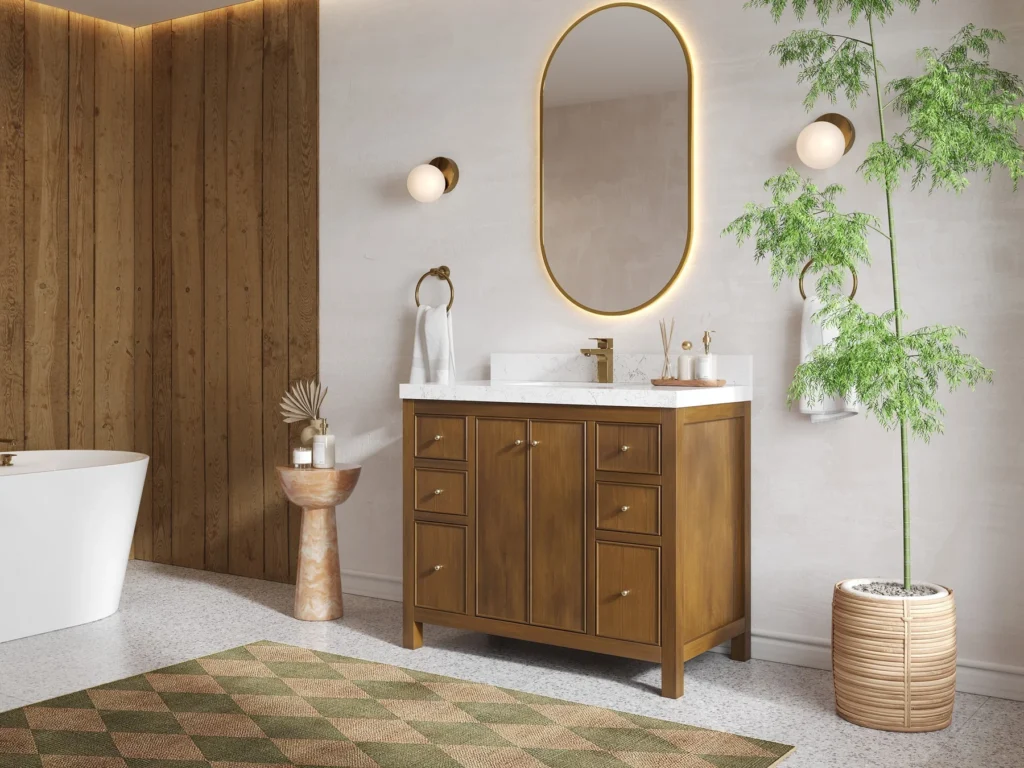
Many homeowners assume a center sink is automatically the best choice when shopping for a 42 bathroom vanity. The layout feels balanced, looks familiar and works well in many showroom displays. However, sink placement has a major impact on how much storage you can actually use every day.
A vanity may appear spacious from the outside while offering far less practical storage than expected once plumbing and sink components are installed. Before making a purchase, it is worth understanding how center sinks affect cabinet space and which alternatives may provide a more functional solution.
Table of Contents
1. The Hidden Storage Problem Inside a 42-Inch Vanity
2. How Center Sinks Reduce Everyday Storage Capacity
- Large Items No Longer Fit Easily
- Drawer Space Often Gets Compromised
- The Real Difference Between Usable Space and Advertised Space
3. Situations Where a Center Sink Makes Sense
4. Smarter Alternatives for Maximizing Storage
5. What to Check Before Buying a 42 Bathroom Vanity
- Look Beyond Product Photos
- Check Sink Bowl Depth and Plumbing Clearance
- Match the Vanity to Your Storage Needs
7. Frequently Asked Questions (FAQs)
The Hidden Storage Problem Inside a 42-Inch Vanity
Why 42 Inches Sounds Bigger Than It Really Is
At first glance, a 42-inch vanity seems large enough to provide ample bathroom storage. In reality, the available interior space is already reduced by plumbing components, cabinet framing, and sink installation requirements.
Because the vanity is not particularly wide, every inch matters. Once pipes, drain connections, and support structures are accounted for, the amount of usable storage becomes much smaller than many buyers anticipate. This is especially true in bathrooms where storage needs extend beyond basic toiletries.
What Happens When the Sink Sits in the Middle
A center-mounted sink places the bowl, drain assembly, and plumbing directly in the middle of the cabinet. This creates a large unusable section that interrupts storage across the entire vanity.
Instead of one larger storage area, the cabinet is split into two smaller compartments on either side of the plumbing. While this may not seem significant on paper, it can dramatically reduce flexibility when storing larger household items.

How Center Sinks Reduce Everyday Storage Capacity
Large Items No Longer Fit Easily
Many common bathroom essentials require continuous storage space. Hair dryers, extra toilet paper, cleaning supplies, tall bottles, and personal care appliances often need more room than narrow side compartments can provide.
With a centered plumbing system, these items may no longer fit comfortably. The result is cluttered countertops or the need to store items elsewhere in the home.
Drawer Space Often Gets Compromised
Drawers are among the most valuable storage features in any vanity. Unfortunately, center sinks frequently interfere with drawer functionality.
Many vanities include false front drawers beneath the sink that do not open at all. Others use shallow drawers that provide limited storage capacity because they must avoid plumbing components. Buyers often discover after installation that some of the most convenient storage areas are not as useful as they expected.
The Real Difference Between Usable Space and Advertised Space
Manufacturers advertise the overall dimensions of a vanity, but those measurements do not always reflect practical storage volume.
A vanity may technically measure 42 inches wide, yet a significant portion of that space can be occupied by sink bowls, drain assemblies, and pipework. Understanding the difference between external dimensions and usable storage capacity helps buyers make better comparisons when evaluating products.
Situations Where a Center Sink Makes Sense
Center sinks are not always the wrong choice. In some situations, their balanced appearance may outweigh storage limitations.
Guest bathrooms and powder rooms are good examples. These spaces typically store fewer items and are used less frequently. In these cases, visual symmetry may be more important than maximizing cabinet storage.
Homeowners who prioritise aesthetics above storage may also prefer a center sink layout. The key is understanding the trade-off before making a decision. If storage demands are low, the design benefits may justify the reduced cabinet space.
Smarter Alternatives for Maximizing Storage
Offset Sink Designs
An offset sink moves the basin to one side of the vanity, creating a larger uninterrupted storage area on the opposite side.
This design often makes it easier to store taller items and larger bathroom essentials. For households that need practical storage, offset sinks can provide a significant advantage without increasing the overall vanity size.
When visiting a bath showroom in Atlanta, many buyers are surprised by how much additional storage an offset design can create within the same footprint.
Drawers Built Around Plumbing
Modern vanity manufacturers have developed creative ways to recover space that would otherwise be lost.
U-shaped drawer systems are designed to fit around plumbing components while still providing functional storage. These drawers maximise available space and help keep smaller items organised.
Many premium 42 inch vanity in Atlanta collections now feature these innovative storage solutions as standard features.
Open Shelving and Hybrid Storage Layouts
Hybrid designs allow homeowners to store frequently used items in accessible locations while keeping less attractive necessities hidden behind cabinet doors. This approach works particularly well in family bathrooms where storage needs vary considerably.
What to Check Before Buying a 42 Bathroom Vanity
Look Beyond Product Photos
Product photos often focus on finishes, hardware, and styling while revealing very little about the interior layout.
Before purchasing a 42 bathroom vanity, review cabinet interior images whenever possible. Better yet, inspect display models in person to understand how storage is actually configured.
Check Sink Bowl Depth and Plumbing Clearance
Deeper sink bowls extend further into the cabinet, reducing available storage underneath. Plumbing clearance requirements can further limit usable space. Always consider internal dimensions rather than relying solely on exterior measurements.
Match the Vanity to Your Storage Needs
Households with multiple users should prioritise drawer systems, flexible storage compartments, and layouts that maximise accessibility. In some cases, buyers who initially consider a center sink discover that an alternative layout provides much better long-term functionality.
Those renovating larger bathrooms may even benefit from exploring a double sink vanity in Atlanta if additional storage and countertop space are priorities.
In Conclusion
A center sink can significantly reduce usable storage inside a 42-inch vanity, even when the vanity itself appears generously sized. Plumbing components, sink placement and compromised drawer space all affect how much storage remains available for everyday use.
Evaluating the internal layout is often more important than focusing on appearance alone. By comparing storage configurations carefully, homeowners can choose a vanity that supports both organisation and functionality.
Visit Vanity Showroom Atlanta to explore vanity layouts designed to maximise storage while complementing your bathroom style. Visit us today.
Frequently Asked Questions(FAQs)
Is an offset sink better for storage?
In many cases, yes. Offset sinks often create larger uninterrupted storage zones that accommodate bigger items more easily.
What is the best vanity layout for a small bathroom?
The best layout depends on your storage needs, but designs that maximise drawer space and minimise plumbing interference often perform well.
How can I tell how much usable storage a vanity actually has?
Review interior cabinet photos, inspect display models and check internal dimensions rather than relying only on the vanity’s exterior measurements.