
Floating Vanity in Atlanta: The Space-Saving Upgrade For Changing Modern Bathrooms
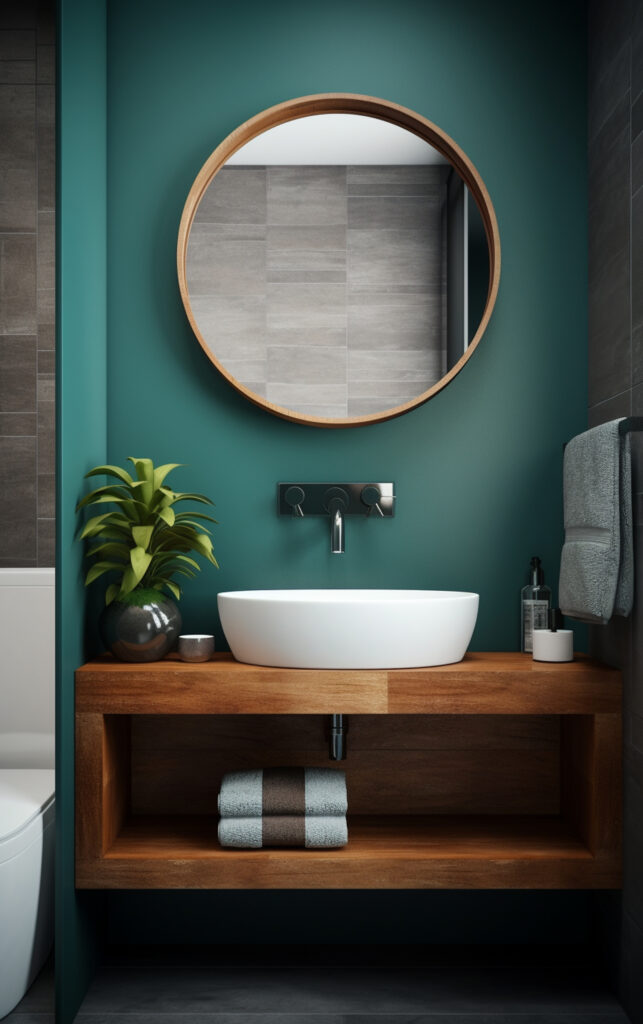
Atlanta bathrooms have a problem. Too small, too dated, or both.
A floating vanity fixes that faster than almost anything else you could install.
Here’s the deal. It’s a sink cabinet mounted right to the wall, nothing underneath it. No legs, no base, no floor contact at all. And the second one goes in, the whole room feels different. Bigger. Lighter. Like it actually got renovated instead of just repainted.
We’ve put floating vanities into cramped Midtown condo bathrooms where every inch counted, and we’ve installed them in massive Buckhead primary suites where the goal was just a cleaner, more modern look. Different jobs, same result. The floor opens up, the room breathes, and the whole space reads newer than it is.
That’s the draw. Not just the style, the actual function behind it.
Table of Contents
- What You’re Actually Gaining (Besides Floor Space)
- Picking a Floating Bathroom Vanity With Sink
- Materials That Actually Survive Georgia Summers
- What People Are Actually Choosing Right Now
- The Real Talk for Contractors and DIYers
- Stop Scrolling. Come Touch One.
- Frequently Asked Questions
What You’re Actually Gaining (Besides Floor Space)
This isn’t just a pretty look. It solves stuff people have been annoyed about for years.
- The room feels bigger. Your eye sees the floor under the cabinet and assumes there’s more room than there is. Works every time.
- Cleaning is so much easier. No mop gymnastics around cabinet legs anymore. Swipe underneath; you’re done.
- You decide the height. Floor cabinets sit wherever the box says. A floating vanity goes wherever it works for your house, taller folks included.
- It ages well, style-wise. Black, wood, or whatever finish you go with, the floating look stays current.
- Moisture has a harder time getting in. Less contact with the floor means less water creeping up into the cabinet base. That’s huge with Georgia humidity.
- Storage fits how you live. Drawers, open shelves, both. You don’t have to put up with someone else’s layout.
None of this is fluff. It’s the kind of thing you actually notice every single day.

Picking a Floating Bathroom Vanity With Sink
Single sink or double?
Smaller bath, under 60 inches wide? Go single. It keeps things proportional, and you’ll still have room to actually move.
Need a double? You’ll want at least 72 inches of wall to work with. We install these constantly in Buckhead and Sandy Springs, where two people need their own real estate every morning.
Materials That Actually Survive Georgia Summers
Cheap cabinetry doesn’t stand a chance down here. Here’s what holds up.
- Marine-grade plywood. The real deal. Barely reacts even in a bathroom with weak ventilation.
- Solid wood with a moisture-resistant finish. Looks premium, no argument there. But the seal job has to be right, or you’re in trouble within a year.
- MDF with waterproof laminate. The budget option. It works fine, just won’t last as long once the steam gets going.
Skip untreated particleboard. Full stop. It’s the first thing to swell and fall apart once humidity season hits.
What People Are Actually Choosing Right Now
- Matte black is everywhere in Midtown condo renovations.
- Warm wood, walnut, and oak, especially, are huge in Buckhead and Decatur. Traditional bones, modern attitude.
- Two-tone setups pair a wood body with black or brushed gold hardware. Custom look, regular budget.
The Real Talk for Contractors and DIYers
This is where a floating vanity stops being a simple swap and starts being an actual project.
Blocking Isn’t Optional, Ever
The whole cabinet hangs off the wall. So the wall needs to be ready to hold it, full stop.
Drywall and studs alone usually won’t cut it. You want 2×6 or 2×8 wood blocking between the studs, right at mounting height, installed before drywall goes up.
Working with an older wall that doesn’t have blocking? Heavy-duty toggle bolts or a rated steel bracket can get you there. Blocking’s still the smarter long-term move, though.
Know Your Weight Limits
Most good floating vanities hold somewhere between 200 and 400 pounds when anchored right. Check the spec sheet every time. Match your hardware to it.
And never, ever rely on basic drywall anchors for a sink vanity. Not once.
Plumbing Has to Move Too
This trips up more DIYers than anything else on the list.
- Floor-based waste lines need to be rerouted into the wall.
- The P-trap and supply lines need clearance under the cabinet, typically 18 to 20 inches off the finished floor.
- Call a licensed plumber. Especially on slab homes around Atlanta, where moving a floor penetration is its own headache.
Rush the blocking or the plumbing, and that’s exactly where installs go wrong. Slow down on this part. It’s worth it.
Stop Scrolling. Come Touch One.
Online photos can’t tell you how solid a drawer feels or how a finish actually looks under your bathroom’s lighting. Only standing in front of the real thing can.
So don’t keep guessing from a screen. Walk into Vanity Showroom Atlanta, open a few drawers, and talk to our team about what your wall and plumbing can actually support.
We’ll help you pick the right floating vanity for your space, your budget, and your timeline, whether you’re a homeowner doing one bathroom or a contractor sourcing for ten. Visit us today and get it right the first time.
Frequently Asked Questions
Are floating vanities safe and secure?
Yes, as long as they’re anchored with proper blocking or a rated steel bracket. Done right, they hold just as solid as a floor-mounted cabinet.
Do floating bathroom vanities have less storage?
Not really. Most give you the same drawer and cabinet space as a floor model, just sitting higher up. Open shelf styles trade a bit of enclosed storage for looks, but drawer-based ones hold plenty.
Is it possible to mount a floating vanity on any wall?
Only if there’s blocking or the wall can be retrofitted with it. Bare drywall can’t carry that weight safely. Check the structure before you commit.
How high should a floating bathroom vanity with sink be mounted?
The standard is 32 to 36 inches off the floor. Adjust higher or lower depending on who’s actually using the sink day to day.