
Why Plywood Is Best for a Moisture-Proof 30 Inch Bathroom Vanity
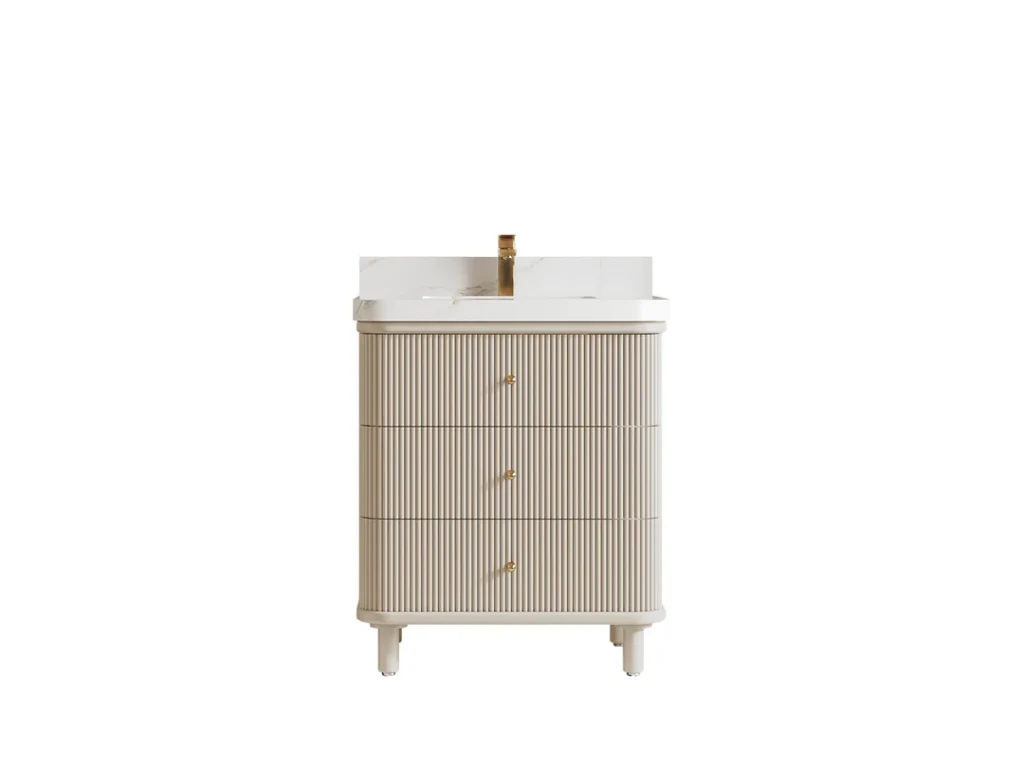
A vanity can look beautiful in a showroom and still fall apart within a few years. That’s because most people shop for style and size without thinking about what’s actually inside. In a bathroom, material matters just as much as looks.
MDF and particleboard are cheap to manufacture and easy to make look good on the surface. But get them near consistent moisture and humidity and they swell, bow and break down. Plywood doesn’t. It holds its shape, stays strong in damp conditions, and lasts significantly longer where it counts.
If you’re choosing a 30 inch bathroom vanity then this blog will explain to you exactly why plywood is the material worth looking for and what to check before you buy.
Table of Contents
- Moisture Is the Core Problem for Bathroom Vanities
- Why Common Single Sink Vanity Materials Fail
- Why Plywood Solves This Problem
- Why Plywood Works Best for a 30 Inch Bathroom Vanity
- What to Look for Before You Buy
- Evaluate the Cost and Value to Make the Smarter Choice
- Conclusion
- FAQs
Moisture is The Core Problem For Bathroom Vanities
Humidity, water splashes and poor ventilation put constant stress on bathroom vanities. In a compact 30 inch bathroom vanity these factors are magnified. Panels absorb moisture, hardware loosens and finishes degrade over time.
Even a single bathroom vanity with sink installed in a tight space can suffer structural and cosmetic damage quickly if the underlying material is not designed to handle moisture exposure. Recognizing the problem sets the stage for choosing a material that will endure.
Why Common Single Sink Vanity Materials Fail
MDF and Particleboard Break Down Quickly
Medium-density fibreboard (MDF) and particleboard are common in a budget 30 bathroom vanity but absorb moisture easily. This leads to swelling, weakening and peeling surfaces, especially around edges and joints. Over time, drawers stick and the cabinet loses shape.
Solid Wood Isn’t Fully Reliable
While solid wood can be beautiful, it expands and contracts with humidity. It requires regular sealing and maintenance, and even then, it can warp in a small bathroom setting, especially under a sink where water exposure is frequent.
Why Plywood Solves This Problem
Cross-Layer Construction Prevents Warping
Plywood is made from layers of wood veneer arranged perpendicularly, providing structural stability. This cross-layer design reduces bending and warping even under constant humidity, making it ideal for 30-inch bathroom vanities.
Water-Resistant Grades Built for Bathrooms
Bathroom-specific plywood, such as BWP (Boiling Water Proof) or marine-grade, is treated to resist moisture. These types last longer than MDF, particleboard or untreated wood while offering a practical solution for compact and moisture-prone spaces.
Why Plywood Works Best for a 30 Inch Bathroom Vanity
Strength in a Compact Size
Even at just 30 inches, a single sink vanity needs to support a countertop, sink and daily use. Plywood’s strength ensures panels remain straight and stable over time.
Maximizes Storage Space
Thinner yet strong panels allow for more internal storage. You can fit drawers and shelves efficiently without sacrificing durability.
Keeps Hardware Secure
Screws, hinges and drawer slides hold firmly in plywood. Which reduces the risk of loosening or failure over time which is a common problem in MDF or particleboard vanities.
What to Look for Before You Buy
Ideal Specs for a 30 Inch Vanity
Choose 18–25 mm marine-grade or BWP plywood for strength. Ensure edges are sealed and the surface has a waterproof finish to prevent water infiltration.
Build Quality That Lasts
You should look for strong joinery in a 30 inch bathroom vanity rather than stapled construction. Because soft-close hardware, smooth drawer operation and attention to detail indicate long-term reliability.
Red Flags to Avoid
Avoid vanities marketed as premium with thin plywood, unsealed edges or lightweight construction. These shortcuts compromise longevity and moisture resistance.
Evaluate the Cost & Value to Make the Smarter Choice
Plywood vanities require a higher upfront investment compared to MDF or particleboard options. However, this price difference reflects the material’s superior durability. Because plywood resists the warping and swelling caused by bathroom humidity, it avoids the structural failures common in cheaper alternatives.
Choosing plywood for a 30 inch bathroom vanity eliminates the need for frequent repairs or early replacements. This makes it a more practical and cost-effective solution for any long-term renovation project.
Conclusion
Moisture is the main threat to small bathroom vanities, but plywood provides a reliable, long-lasting solution. For a 30 inch bathroom vanity marine-grade or BWP plywood ensures durability, stability, and a neat appearance for years. Choosing quality plywood now saves time, money, and frustration in the future.
Vanity Showroom Atlanta offers a range of high-quality plywood vanities designed to handle moisture while maximizing storage and style for compact bathrooms. Visit us today.
FAQs
Why is plywood better than MDF for a bathroom?
Plywood is made of layered wood veneers which makes it more stable in humid environments. Which is very unlike MDF or particle board because it won’t smell, crumble or disintegrate when exposed to steam or occasional splashes.
What is the best grade of plywood to use?
Marine-grade or high-quality furniture-grade plywood (like Birch) is ideal. These use waterproof adhesives and have fewer internal gaps which prevents moisture from being trapped inside the wood layers.
Does a plywood vanity need a finish?
Yes. While the structure is moisture-resistant, the surface still needs a protective coating. Using a polyurethane or water-resistant lacquer ensures the wood doesn’t absorb humidity over time.
Can a 30-inch plywood vanity support a stone top?
Absolutely. Plywood has excellent structural strength and screw-holding power. It can easily support the weight of heavy quartz, granite, or marble countertops without sagging or warping.
Is plywood worth the extra cost?
Yes. While it costs more upfront than particle board, its durability in wet areas means you won’t have to replace the vanity due to water damage, making it the more cost-effective choice long-term.